Substance use disorder treatment has evolved dramatically over the last decade. Today’s leading recovery centers understand that sustainable healing requires more than detoxification and clinical counseling alone. Clients are seeking experiences that rebuild trust, emotional regulation, confidence, and connection — all critical components of long-term recovery.
One therapeutic approach gaining national attention is equine-assisted psychotherapy (EAP).
For CEOs and leadership teams at drug and alcohol recovery centers, equine-assisted psychotherapy represents more than an innovative treatment modality. It is an opportunity to elevate clinical outcomes, differentiate programming, improve client engagement, and create transformative recovery experiences that patients remember long after discharge.
Why Horses Matter in Recovery
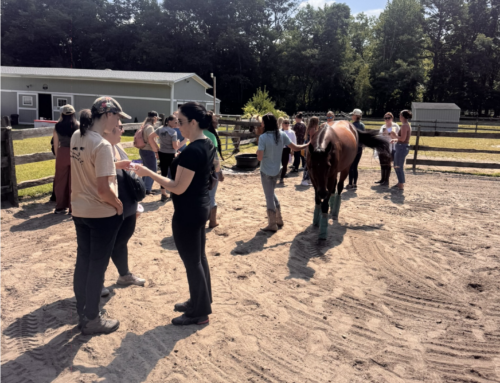
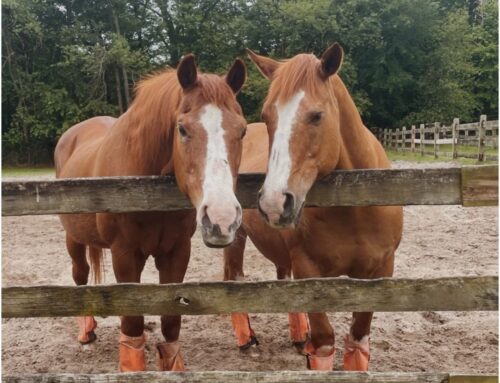
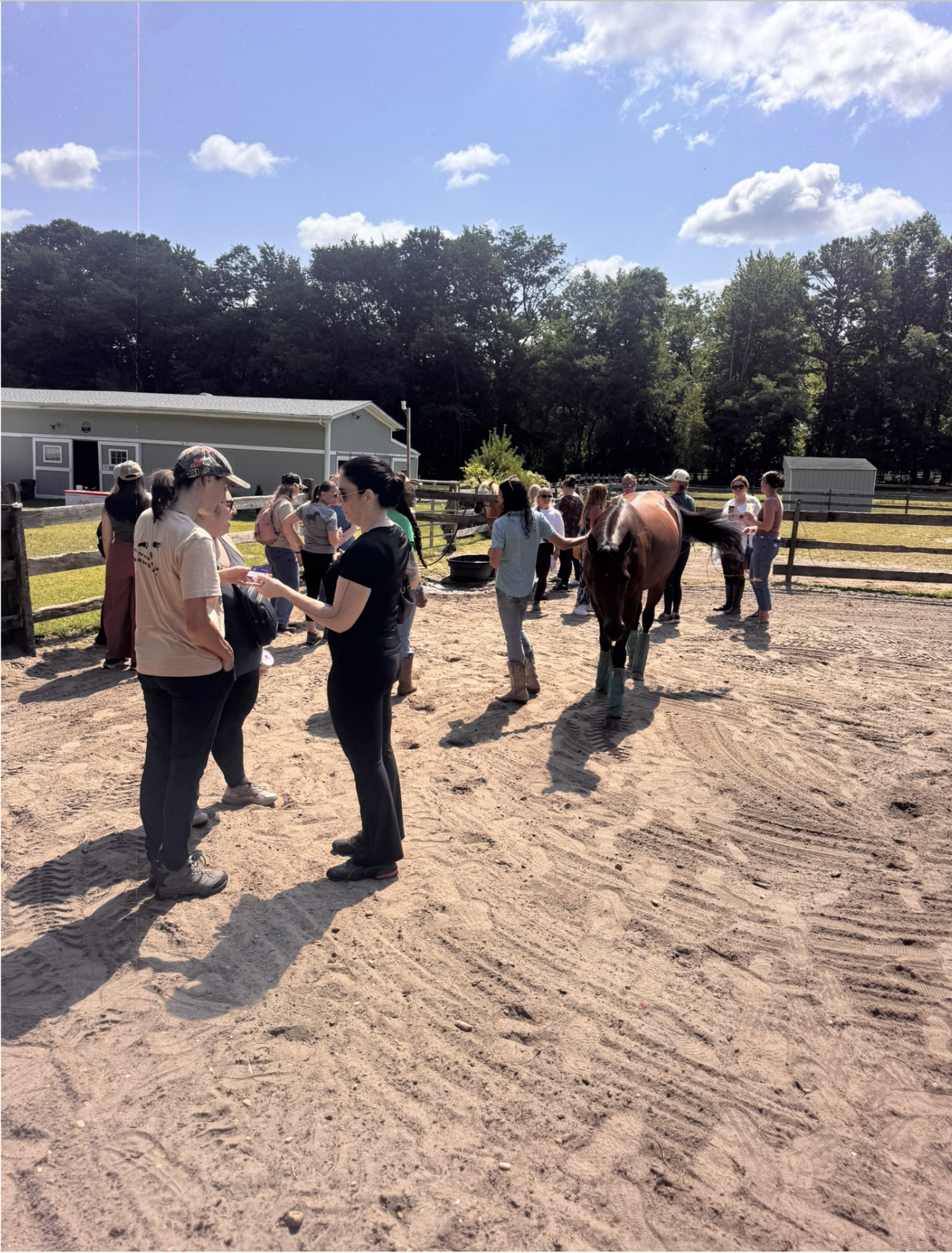
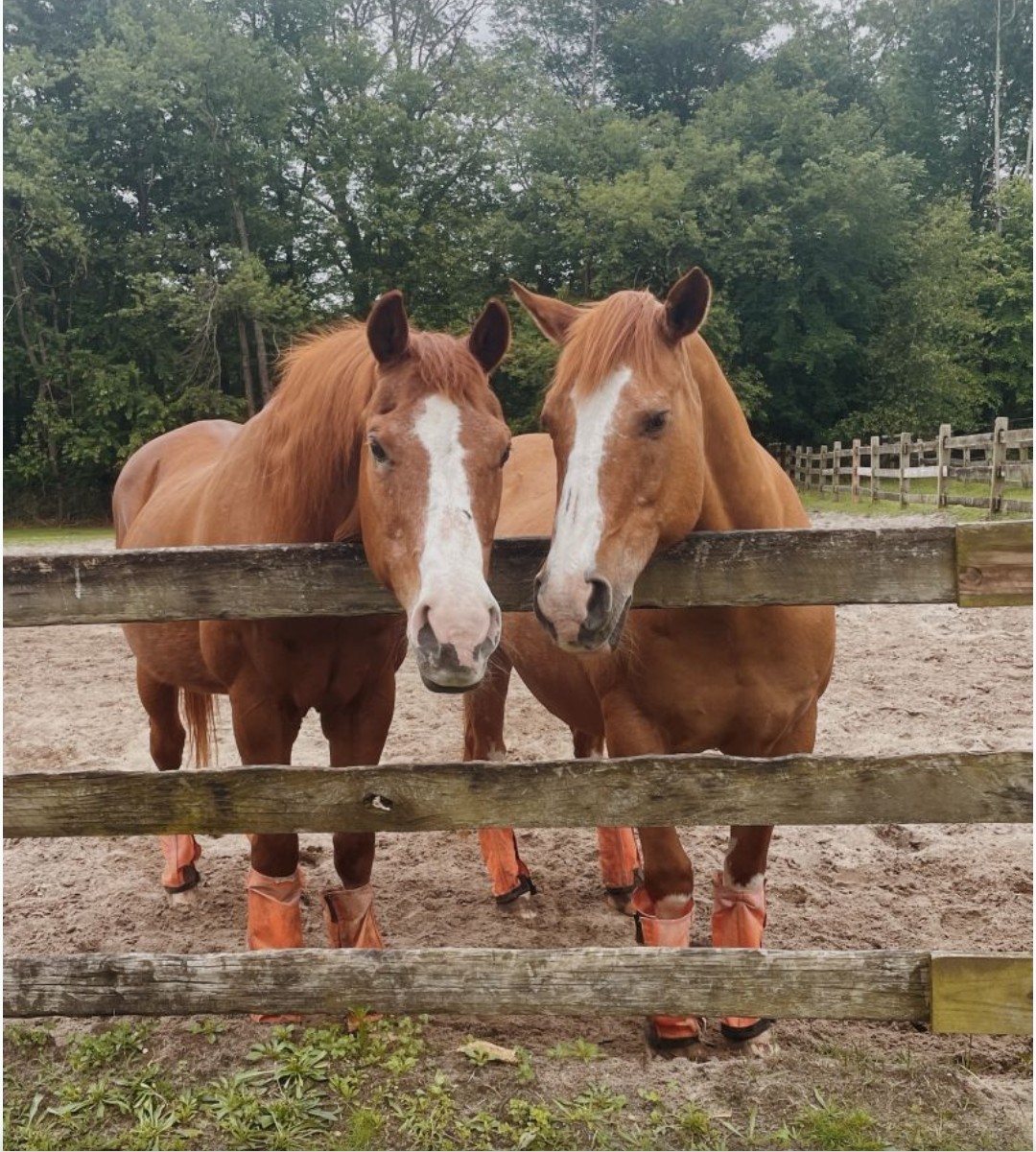
Horses possess a unique ability to mirror human emotions and behaviors in real time. Unlike traditional therapy settings, equine-assisted psychotherapy removes many of the barriers clients often experience in office-based counseling.
Individuals struggling with addiction frequently battle:
- Trauma
- Anxiety
- Shame
- Trust issues
- Emotional dysregulation
- Low self-worth
- Difficulty forming healthy relationships
Horses respond honestly and immediately to emotional energy, body language, and intent. This creates a powerful therapeutic environment where clients can safely explore emotions, practice vulnerability, and build self-awareness without judgment.
For many individuals in recovery, this experiential approach reaches places that talk therapy alone cannot.
The Clinical Benefits of Equine-Assisted Psychotherapy
Forward-thinking treatment centers are incorporating equine-assisted psychotherapy because of its measurable impact on emotional and behavioral health.
Improved Emotional Regulation
Clients learn to remain calm, focused, and intentional around large, sensitive animals. This process naturally strengthens emotional control and mindfulness — skills essential for relapse prevention.
Increased Accountability
Working with horses requires patience, consistency, and responsibility. Clients quickly recognize how their actions influence outcomes, reinforcing personal accountability in recovery.
Trauma-Informed Healing
Many people entering addiction treatment have unresolved trauma histories. Horses help create nonverbal therapeutic breakthroughs that support trauma processing in a safe and grounded environment.
Stronger Client Engagement
Experiential therapies often improve participation rates and treatment retention. Clients who struggle with traditional counseling frequently respond positively to hands-on therapeutic experiences.
Enhanced Confidence and Self-Esteem
Successfully interacting with and caring for horses builds confidence, trust, and a renewed sense of purpose — all critical to rebuilding identity during recovery.
A Competitive Advantage for Recovery Centers
The behavioral health industry is becoming increasingly competitive. Families and referral partners are looking beyond standard treatment models and searching for programs that offer meaningful differentiation.
Equine-assisted psychotherapy helps centers:
- Expand holistic treatment offerings
- Improve patient satisfaction
- Strengthen marketing positioning
- Enhance alumni experiences
- Attract high-value referral relationships
- Demonstrate innovation in care delivery
In many cases, experiential programming also supports stronger brand storytelling and community visibility.
Recovery is deeply personal. Facilities that create memorable, emotionally impactful experiences are often the ones that leave lasting impressions on clients and families alike.
The Future of Addiction Treatment Is Holistic
Modern recovery care is shifting toward whole-person healing. Clinical excellence remains foundational, but today’s most effective programs integrate therapies that address emotional, physical, relational, and psychological wellness together.
Equine-assisted psychotherapy aligns perfectly with this evolution.
As addiction treatment providers continue seeking innovative ways to improve outcomes and create lasting transformation, experiential therapies are becoming an essential component of comprehensive care models.
How Operation HOPE Can Help
Operation HOPE is committed to helping drug and alcohol recovery centers integrate impactful therapeutic solutions that support long-term healing and sustainable recovery outcomes.
Whether your organization is exploring equine-assisted psychotherapy for the first time or looking to expand existing experiential programming, Operation HOPE provides guidance, partnership, and support tailored to the unique needs of behavioral health providers.
The mission is simple: help recovery centers create transformative healing environments where individuals can rediscover purpose, connection, and hope.
As the addiction treatment landscape continues to evolve, organizations willing to embrace innovative therapeutic approaches will be best positioned to lead the future of recovery care.
Operation HOPE is here to help make that future possible.