Therapy dogs bring comfort, joy, and emotional support to people of all ages. From visiting seniors in assisted living communities to helping clients feel calm during therapy sessions, these special dogs make a meaningful difference every day. But many people wonder: How does a dog become a therapy dog?
Not every friendly dog automatically qualifies. Therapy dogs must complete training, pass evaluations, and demonstrate calm, reliable behavior in many different situations. Here’s a closer look at what it takes to become a certified therapy dog — and the story of how Mocha earned her certifications.
What Is a Therapy Dog?
A therapy dog is trained to provide comfort and emotional support in settings such as hospitals, schools, nursing homes, counseling offices, and assisted living facilities. Unlike service dogs, therapy dogs are not trained to perform specific medical tasks for one individual. Instead, they work with many different people to provide companionship, stress relief, and emotional connection.
Therapy dogs must be calm, friendly, patient, and confident in public settings.
Requirements for Becoming a Therapy Dog
Before a dog can become certified as a therapy dog, they typically must meet several important requirements:
- Be at least one year old
- Be well behaved and calm
- Get along well with other dogs and people
- Complete basic obedience training
- Remain confident in busy or unfamiliar environments
Most therapy dog organizations also require dogs to pass both a Canine Good Citizen evaluation and a therapy dog assessment.
Mocha’s Journey to Becoming a Therapy Dog
Mocha’s training began when she was a puppy. She completed basic obedience training early on, where she learned foundational skills like sit, down, stay, leash walking, and polite behavior around people.
Once she turned one year old, Mocha was ready to take the next step toward becoming a therapy dog.
Canine Good Citizen Training
Mocha enrolled in a Canine Good Citizen (CGC) class, where she worked on strengthening her obedience and public manners. During this training, she learned how to:
- Heel politely on leash
- Walk past other dogs without reacting
- Stay calm while being pet by strangers
- Perfect her sit-stay and down-stay skills
- Remain calm when separated from her handler
One part of the class involved Mocha staying in the room with the trainer while her owner, Brooke, walked out of the room for three minutes. She had to stay relaxed and composed the entire time.
The final CGC class served as her evaluation. Mocha was tested on all of her skills and passed successfully, earning her Canine Good Citizen certification.
Therapy Dog Testing
After passing her CGC evaluation, Mocha moved on to her therapy dog test. This assessment included many of the same skills but with additional challenges designed to prepare dogs for real-world therapy environments.
For the therapy dog evaluation, Mocha had to:
- Demonstrate a perfect “leave it” command
- Ignore treats placed on the floor
- Stay calm around wheelchairs and walkers
- Remain comfortable around people with unsteady gaits
- Ride calmly in elevators
- Show excellent manners and emotional stability in public spaces
Mocha passed her therapy dog evaluation and officially became a certified therapy dog.
Benefits of Therapy Dogs
Therapy dogs can have an incredible positive impact on emotional and mental well-being. Studies and real-world experiences show that therapy dogs may help:
- Reduce stress and anxiety
- Lower feelings of loneliness
- Encourage social interaction
- Improve mood and emotional regulation
- Provide comfort during difficult times
Whether visiting seniors, supporting therapy clients, or simply bringing smiles to people’s faces, therapy dogs like Mocha play an important role in improving quality of life.
Mocha’s Therapy Dog Work Today
Today, Mocha visits seniors at assisted living communities where she brightens their days with affection, companionship, and lots of fun tricks. She loves making people smile, giving kisses, and soaking up attention from residents.
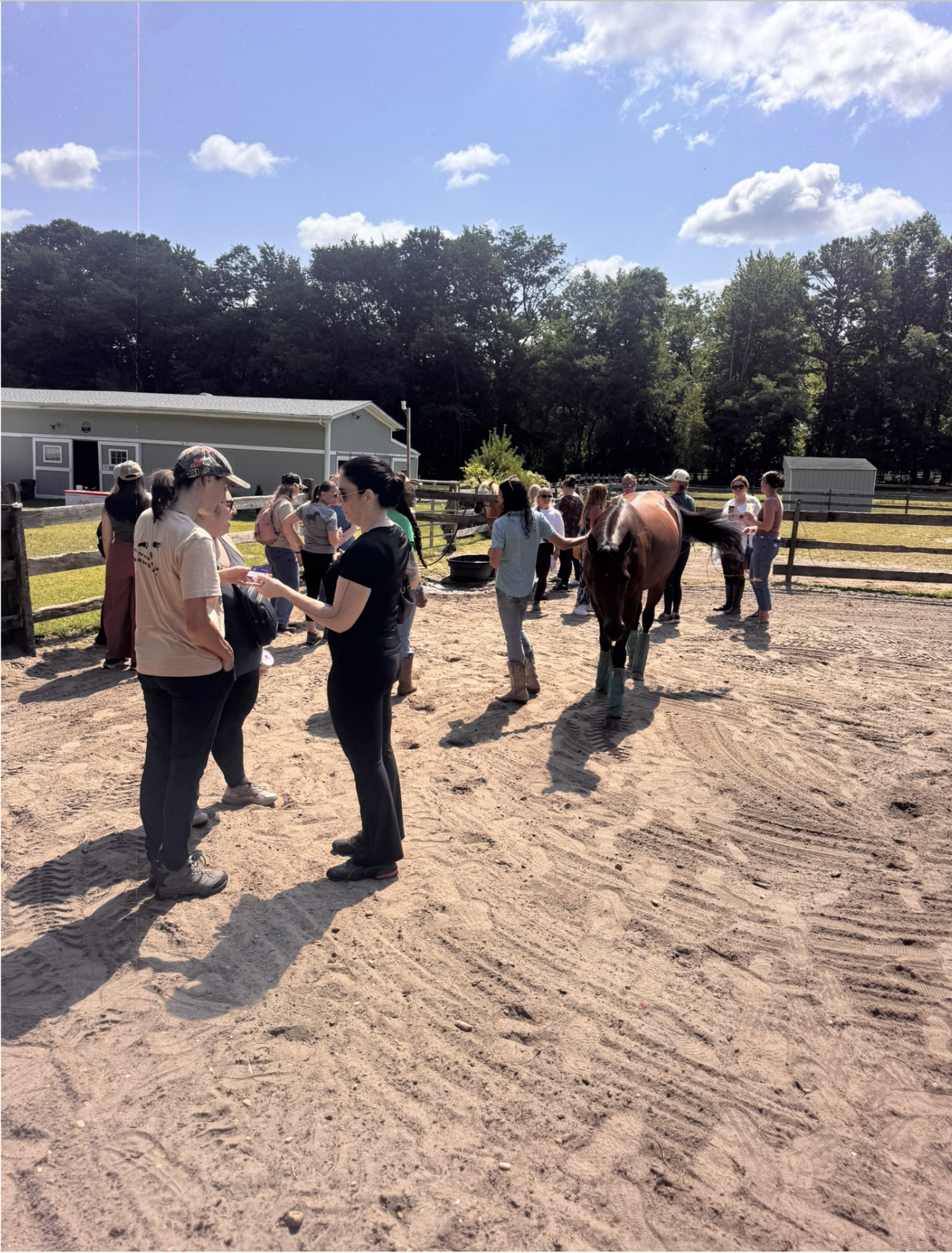
Mocha also participates in ecotherapy sessions with clients, helping create a calming and supportive therapeutic environment. Her gentle nature and friendly personality help people feel more relaxed, connected, and emotionally safe.
Mocha is both a Certified Canine Good Citizen and a Certified Therapy Dog through the Bright & Beautiful Therapy Dogs association.
At Operation HOPE, we are honored and proud to have Mocha as part of the team. Her compassionate personality, calm presence, and ability to connect with people make her an incredibly valuable part of the therapeutic process.
Final Thoughts
Becoming a therapy dog takes dedication, training, patience, and the right temperament. Dogs must learn to stay calm, obedient, and friendly in many different environments. Through hard work and consistent training, Mocha successfully became a certified therapy dog and now helps bring comfort and joy to others every day.
Therapy dogs truly show how powerful the bond between humans and animals can be.