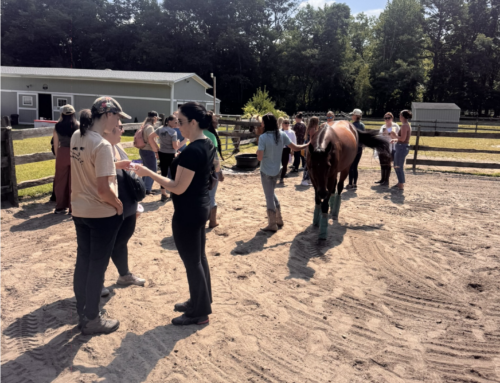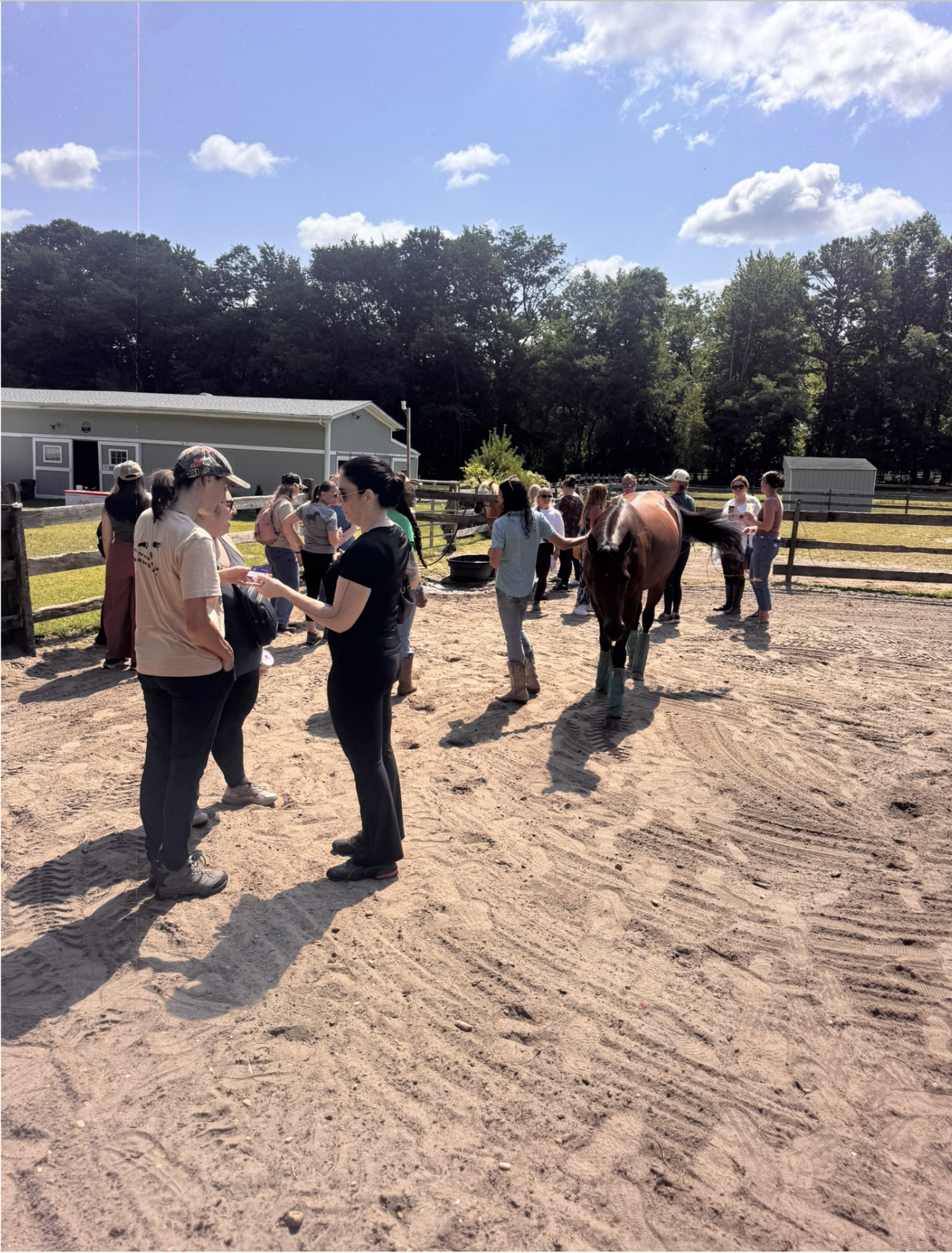
At Operation HOPE, we offer Therapeutic Improv, a dynamic and engaging approach that promotes emotional healing, self-discovery, and personal growth. While improv is often associated with comedy and entertainment, its benefits extend far beyond the stage. By embracing spontaneity and creativity, individuals can develop resilience, enhance communication, and foster meaningful connections in a supportive environment. Through improv, individuals can tap into their innate creativity, breaking down barriers that may have previously hindered personal growth and emotional healing.
In this blog, we will explore how Therapeutic Improv works, the wide array of benefits it offers, and how it can serve as a powerful tool in promoting emotional wellness. Whether you’re new to improv or looking to expand your therapeutic toolbox, this approach can provide transformative tools to improve your mental health and enhance your quality of life.
What is Therapeutic Improv?
Therapeutic Improv involves participating in spontaneous, unscripted activities in a safe and accepting setting. Unlike traditional forms of therapy, which might focus on deep analysis or structured interventions, therapeutic improv emphasizes action, spontaneity, and creative expression. It’s not about being the funniest person in the room—it’s about being present, building trust, and creating a sense of community. Our improv-based exercises encourage participants to let go of self-judgment, embrace imperfection, and explore new ways of thinking and interacting.
At Operation HOPE, we use therapeutic improv as a means to help individuals explore new ways of thinking and interacting. The unstructured nature of improv exercises encourages participants to break free from perfectionism and self-judgment, providing a safe space to explore vulnerability and creativity. Improv provides a unique opportunity for individuals to practice being present in the moment, which is essential for overcoming anxiety, depression, and other mental health challenges.
The Benefits of Therapeutic Improv
Engaging in Therapeutic Improv provides a wide range of mental health benefits, both immediate and long-term. By focusing on spontaneity and creativity, this approach helps individuals develop important life skills while also enhancing their emotional and psychological well-being. Let’s take a closer look at some of the key benefits of this approach.
Engaging in Therapeutic Improv provides a range of mental health benefits, including:
- Increased resilience and adaptability – Learn to navigate uncertainty with confidence. Improv exercises often require participants to adapt quickly to unexpected changes or unfamiliar situations. In life, things don’t always go as planned, and Therapeutic Improv helps individuals become more comfortable navigating uncertainty. Whether you’re building confidence to face new challenges or learning to adjust in a constantly changing environment, improv offers a safe platform for strengthening your resilience and adaptability.
- Enhanced emotional regulation – Develop tools to manage stress and anxiety. Life is often full of stressors and emotional ups and downs, and learning how to manage emotions effectively is crucial for overall well-being. Improv allows individuals to practice emotional self-regulation in a fun and lighthearted environment. It teaches participants to recognize their emotions, express them in a healthy way, and let go of any emotional blockages that may be affecting their well-being.
- Improved self-expression and confidence – Strengthen your ability to communicate openly and authentically.When individuals feel the freedom to express themselves openly, they often experience a significant boost in self-esteem. This newfound confidence extends beyond the improv setting and positively impacts relationships, work, and personal growth. As participants practice stepping outside of their comfort zones and embracing vulnerability, they develop greater confidence in their ability to navigate social situations, express their needs, and assert themselves in both personal and professional contexts.
- Stronger social connections – Build relationships through active listening and collaboration. Through improv, participants learn the value of active listening—the art of truly hearing and understanding what others are saying. This practice fosters stronger communication skills and deeper connections with others. By collaborating with others in a non-judgmental space, participants often feel a sense of belonging and community. This can help alleviate feelings of loneliness, isolation, or social anxiety, and encourages the development of positive, meaningful relationships.
- Mindfulness and presence – Stay engaged in the moment, reducing overthinking and self-doubt. Life often involves distractions and overthinking, leading people to become disconnected from the present moment. Improv exercises, by their very nature, encourage participants to focus on what is happening right now, without overanalyzing or trying to control the outcome.
How Therapeutic Improv Works
At Operation HOPE, our Therapeutic Improv sessions are carefully structured to promote personal insight, emotional healing, and well-being. While the exercises may seem fun and lighthearted, they are intentionally designed to encourage emotional exploration and growth. Let’s take a look at some of the key components of our Therapeutic Improv sessions:
- Role-playing scenarios to practice effective communication and conflict resolution. These exercises allow individuals to explore their emotional responses to different situations, helping them identify patterns of behavior and coping mechanisms that may be holding them back in their personal lives. Role-playing can be especially helpful for individuals dealing with social anxiety, relationship issues, or a fear of confrontation, as it provides a safe space to practice challenging conversations without real-world consequences.
- Improvisational games that encourage spontaneity, trust, and teamwork.By engaging in games that require immediate responses, participants can develop resilience and learn how to stay calm and collected under pressure. Improv games also encourage participants to let go of perfectionism, accept mistakes, and have fun with the process of creating something new on the spot.
- Storytelling exercises to explore personal experiences in a non-judgmental space. Storytelling helps individuals gain a sense of control over their narrative and fosters a deeper understanding of their own emotional experiences. By sharing their stories with others, participants can also cultivate empathy and compassion, both for themselves and for those around them.
- Mindfulness-based activities to enhance self-awareness and emotional resilience. These activities encourage participants to connect with their bodies, regulate their breathing, and become more attuned to their emotions. Mindfulness helps individuals release tension, reduce stress, and build greater emotional resilience.
Embracing Vulnerability and Growth
One of the most transformative aspects of Therapeutic Improv is its ability to create a safe space for vulnerability. Participants learn to let go of perfectionism, accept mistakes as opportunities, and develop greater self-compassion. The unscripted nature of improv fosters adaptability, helping individuals build confidence in their ability to handle life’s unpredictability.
Integrating Improv into Daily Life
The principles of improv extend beyond the workshop, offering practical tools for everyday life. Whether you’re looking to improve communication in your relationships, reduce anxiety in social situations, or simply find more joy in spontaneity, Therapeutic Improv can help you embrace a more open, confident, and resilient mindset.
By incorporating improv’s focus on creativity, flexibility, and mindfulness into your daily life, you can cultivate a deeper sense of emotional well-being and a greater ability to handle life’s challenges.
Interested in Joining a Therapeutic Improv Group?
We invite you to experience the transformative power of Therapeutic Improv at Operation HOPE! Our sessions are designed for individuals of all backgrounds, whether you’re new to improv or have experience with performance-based activities.
Contact us today to learn more about our Therapeutic Improv groups and how they can support your personal growth and well-being.
#TherapeuticImprov #HealingThroughLaughter #MentalHealth #OperationHOPE #SelfDiscovery #Mindfulness #EmotionalWellness #Resilience #CommunityBuilding