Learning to Live in the Present
On your wellness journey, you may hear people discuss the practice of mindfulness and encourage mindful activities. However, you may not be sure about where to start or even have an understanding of what mindfulness is. Understanding mindfulness starts with understanding its opposite: mindlessness. Most of us have a tendency to do many of our daily activities on “auto-pilot” while simultaneously thinking about dozens of other things. For example, while we drive many of us are probably running through to-do lists in our heads, thinking about our meal plan for the week, prepping for the presentation we have to give later, or thinking of some of the many other things we have to do in a day. Unlike mindlessness, mindfulness is the practice of being aware of the present moment. It is a form of meditation where you focus on what you are feeling, thinking, and your immediate surroundings. Taking time everyday for this practice can be a powerful way to ground yourself and become more in tune with your own physical and mental wellness.
What can mindfulness help me with?
- Stress. Mindfulness calms the nervous system. This reduces the body’s stress hormone, cortisol.
- Anxiety. Mindfulness can ease anxiety by helping you stay focused in the present instead of getting caught in worry loops, where you keep thinking about the same thing over and over.
- Pain. Mindfulness can help with long-lasting pain by changing how the brain processes pain signals.
- Depression. Mindfulness can help manage depression by raising awareness of negative thought patterns and reducing emotional reactions.
- Sleep quality and insomnia. Regular mindfulness practice can improve sleep by helping the mind and body relax at bedtime. Mindfulness can help you fall asleep faster and stay asleep.
What are some ways to be mindful?
- Pay attention to your breathing. Close your eyes and breathe deeply in through your nose and out through your mouth. You can even try breathing techniques like box breathing.
- Do a full body scan. Take a moment to turn off all of your screens and pay attention to your physical body. Starting at the top of your head and moving to your feet, notice how each part of your body feels..
- Be present in the moment. Look around you and consider your surroundings. Notice what you are seeing, feeling, or smelling. Observe without critique or analysis, and just let yourself be.
- Mindful walking or movement. When going on a walk or doing another form of movement like yoga or stretching, pay attention to how your body feels when you move. Think about the steps that you are taking or the stretch you feel, and be aware of your environment.
When should I practice mindfulness?
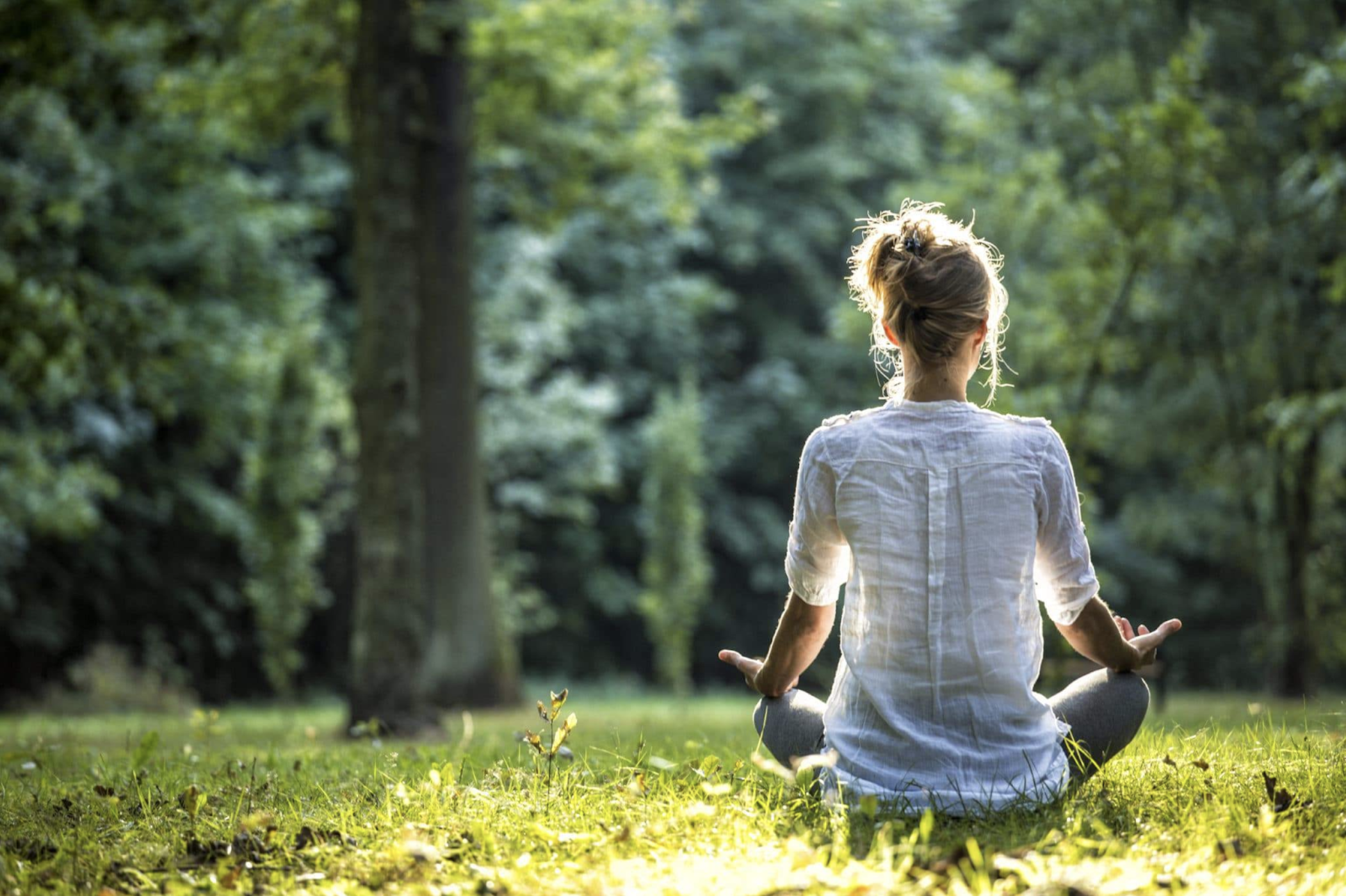
The best thing about mindfulness is you can practice it wherever you are and at any time. All you need is yourself and a few minutes. Studies have suggested that practicing mindfulness outdoors can be particularly helpful, but you can also engage in this meditation inside.
If you are just beginning on this journey, you may want to start with a few minutes of mindful breathing every day. Focusing on your breath is the starting point for many mindful exercises, so this is a helpful place to begin. Over time, you can lengthen the amount of time spent practicing mindfulness and incorporate new exercises. The more you practice, the more effortless and natural mindfulness will likely become and you may find that it helps you feel less stressed, happier, and more present in your everyday life.
At Operation HOPE, during our Ecotherapy (outdoor/nature based) sessions, Brooke leads clients through a guided mindfulness practice at the park and in the woods. During these sessions, you’ll learn how to ground yourself, tune into your body with nature, and experience mindfulness in a supportive, calming environment.
Whether you’re new to mindfulness or looking to deepen your practice, Brooke’s guidance can help you connect more fully with the present moment as nature as the backdrop. Book a session with Brooke today to experience firsthand how mindful movement and awareness exercises in nature can reduce stress, improve focus, and enhance overall well-being.